
If you’re scanning the table games on a Tuesday arvo and notice the Dragon Tiger side bet popping up, it pays to know what you’re actually signing up for before you tap that chip. The tie option looks tidy on a busy screen, but the maths behind it is a long way from a quick payout shortcut. Here’s how the wager behaves in practice, what a localisation-first interface actually changes for Aussie players, and where the bet fits if you’re chasing a measured session rather than a miracle.
How the Tie Wager Works on the Table
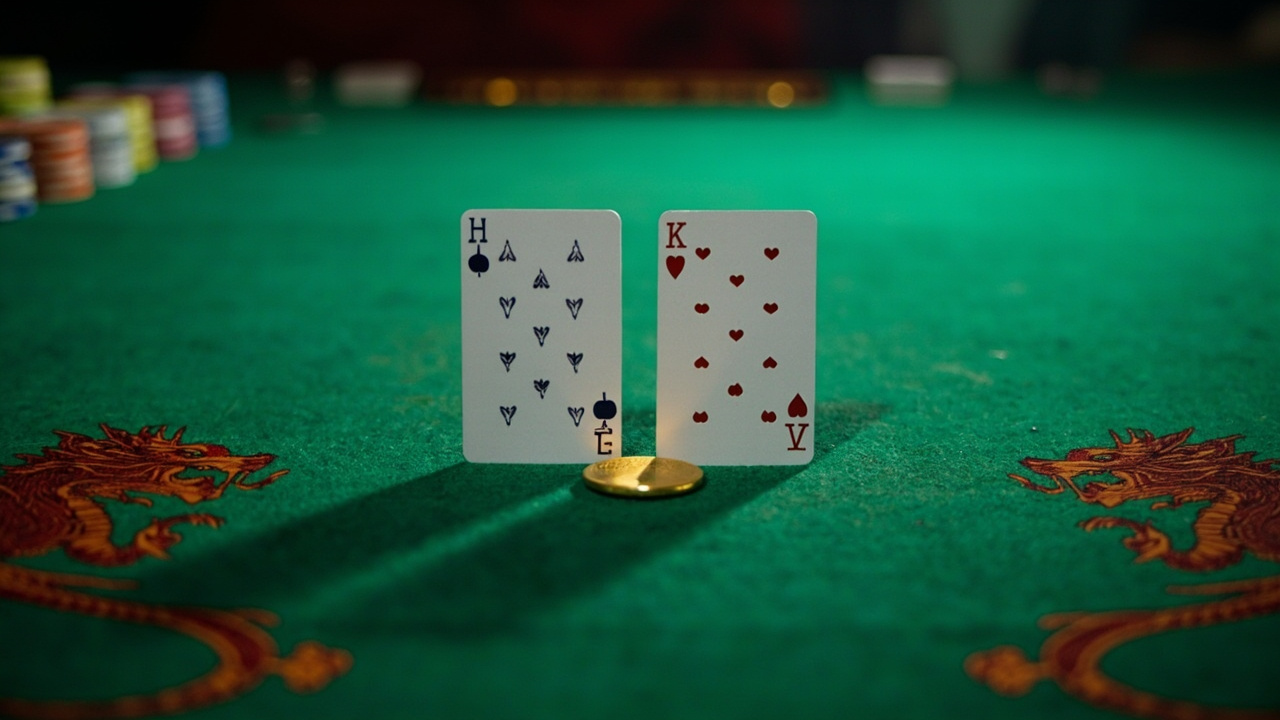
Dragon Tiger runs on a single dealt card per hand, with the higher rank taking the pot and a matching rank triggering the tie. The tie bet pays out only when both sides land the same value, which makes it one of the higher-paying outcomes on the layout but also one of the least frequent. In a standard eight-deck shoe, the house edge on the tie sits well above the main bets, so the occasional big multiplier is balanced by long stretches where the chip sits untouched. That doesn’t make the wager a trap, but it does mean you should read it as a occasional spike play rather than a steady income line.
A decent live casino interface makes that maths visible instead of buried. When I set up acquisition flows for LATAM markets at Easygo, the first thing we checked was whether the local language, currency, and rules panel were actually reachable in two taps, because a player who has to hunt for the paytable is a player who misreads the edge and overshoots their session. The same logic applies here: a clear tie payout line, a visible deck count, and a rules tooltip in Aussie English separate a playable side bet from a confusing one. If the table buries the tie odds behind a generic info icon or mixes up the payout wording, you’re already working harder than you should.
| Detail | What to look for |
|---|---|
| Tie payout | Usually 8:1 or 11:1, printed on the table |
| Deck count | Six or eight decks changes frequency slightly |
| House edge | Higher than Banker or Player, so treat it as occasional |
| Localisation | Aussie English rules text, AUD display, clear paytable |
What the Edge Actually Looks Like in Play
The first thing worth separating is the payout from the probability, because the two don’t line up the way a quick glance suggests. A tie pays handsomely when it hits, but the card distribution means it lands a small fraction of the time, which is exactly why the edge stays elevated compared with the main wagers. If you’re treating the tie as a regular rotation bet, the session math gets unforgiving fast; if you’re using it as a measured occasional marker, it’s more of a defined-risk side note than a core strategy.
The second piece is how a live table presents that reality on screen. Good localisation doesn’t just translate the words, it keeps the paytable, the deck info, and the round timing in a layout that matches how Aussie players actually read a table during a busy arvo session. When the rules panel, the bet chips, and the payout line are all in the same visual lane, you can size the wager against your bankroll without cross-referencing three different screens. That’s the kind of everyday usability I look for when I judge a product for a regional audience, because a slick global build that forgets local reading habits ends up feeling clunky the moment real money is on the line.
The third piece is pacing and session discipline, which matters more here than on the main bets. The tie can sit cold for a long run and then pop once, which is fine if you’ve already decided what portion of the bankroll you’re willing to allocate to a low-frequency outcome. Charlotte Reid, Commercial Director, Bondi Sports Data, puts it cleanly: “Players who treat a high-edge tie line like a regular rotation bet usually run into session drift they didn’t budget for, so the useful question is whether the payout is worth the dry spells you’re signing up for.” That’s the practical frame: the bet isn’t wrong, but it asks for a different kind of discipline than the main table wagers.
Who the Tie Bet Suits in Practice
If you’re the sort of player who likes a defined-risk side wager and doesn’t mind waiting through dry stretches, the tie can sit in your rotation as an occasional marker rather than a main event. It works best when you’ve already settled on your main bet size and you’re using the tie as a small, separate line that doesn’t throw off your session plan. That’s a different mindset from chasing the big multiplier every round, and it’s the difference between a bet you can live with and one that eats into your bankroll before you’ve noticed.
The other fit is for players who value a clear, local-friendly table over a flashy global build. When the paytable, rules text, and currency display are all laid out in a way that matches how you actually read a session, the tie stops feeling like a hidden trap and starts reading like what it is: a low-frequency, higher-paying option with a real cost attached. Emily Fraser, Digital Acquisition Director, Harbour Bet Insights, notes that ” Aussie players tend to stick with tables where the rules and payouts are obvious in the first minute, because once the wording gets vague, the bet feels like guesswork instead of a choice.” That’s a fair call, and it’s the kind of everyday usability that decides whether a wager feels playable or frustrating.
A third fit is for players who want a short, focused session and are comfortable with the tie only as a rare add-on. In that setup, the bet is a small spice on the table rather than the main dish, and it works best when the interface keeps the round flow, the deck count, and the payout line visible without making you dig for them. Sophie Murray, Head of Live Casino, Blue Gum Gaming Council, sees it this way: “The tie is fine as a measured side line, but it only stays fun when the table makes the odds and payout plain instead of dressing them up as a shortcut.” That’s the nuance worth carrying into your next session.
One common misconception is that the tie bet is a near-equivalent to the main wagers with a nicer payout, when the reality is more nuanced because the frequency is so much lower and the edge sits higher as a result. The payout looks attractive on its own, but the maths only works in your favour if you’ve already accepted the dry spells and sized the line accordingly. Treat it as a defined occasional bet, read the paytable before you tap, and it stops being a mystery and starts being a choice you can actually judge.
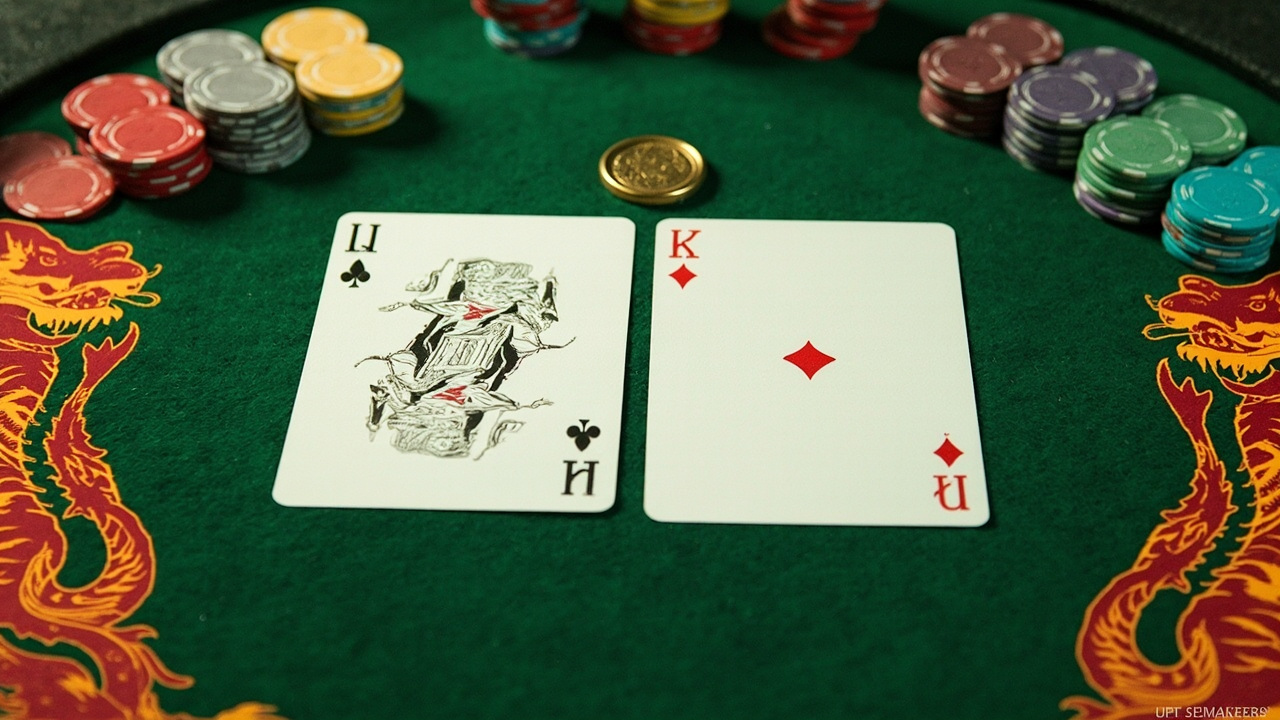
If you’re weighing a table for a measured session, the useful check is whether the tie is presented plainly alongside the main bets and whether the local language, currency, and rules are easy to read before you commit anything. A clear table with the tie payout visible and the rules in Aussie English makes the wager easier to size, while a cluttered layout turns it into guesswork. For players who want a quick look at how a local-facing table presents the bet, it’s worth having a browse through https://tower-rush-online-au.com and seeing whether the paytable and rules sit where you’d naturally look during a session.
Recent Comments